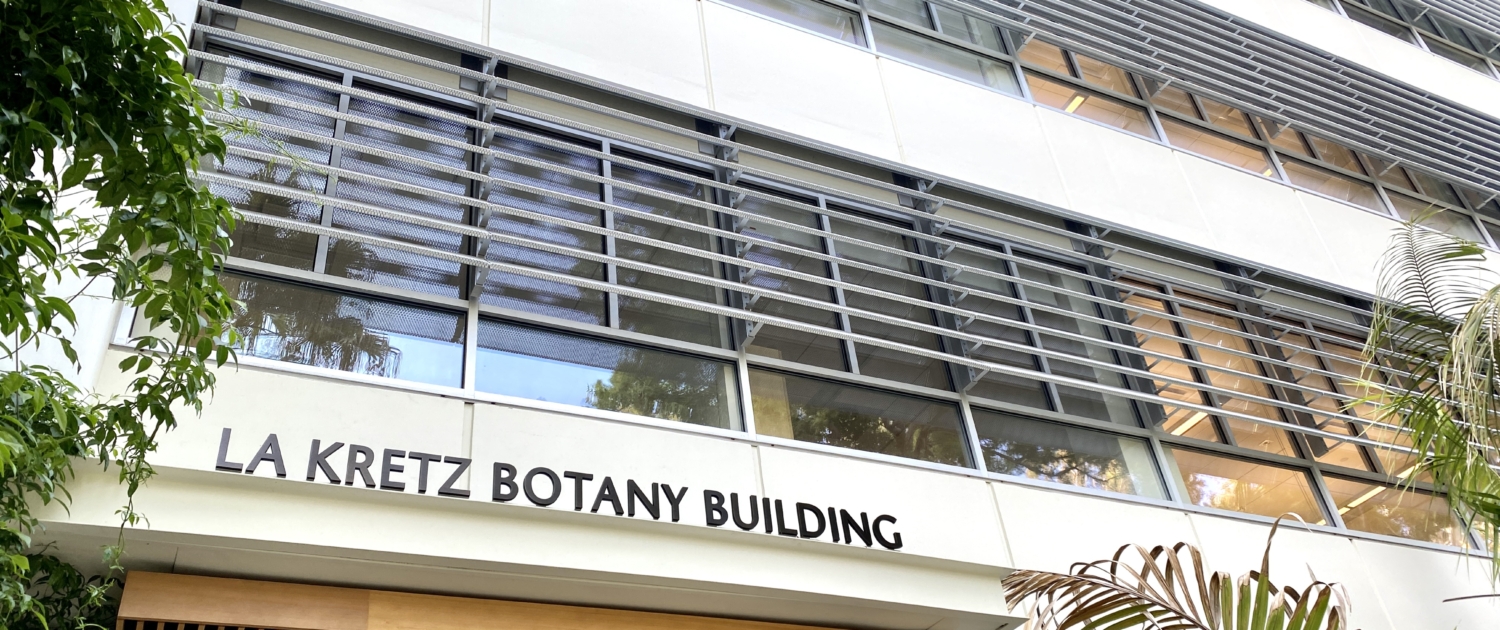
Herbarium

WELCOME TO THE HERBARIUM!

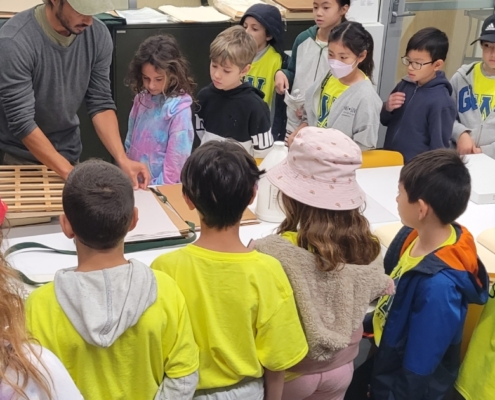
We serve as a one-of-a-kind hub for the preservation, conservation, appreciation, and identification of plants for the Greater Los Angeles community.

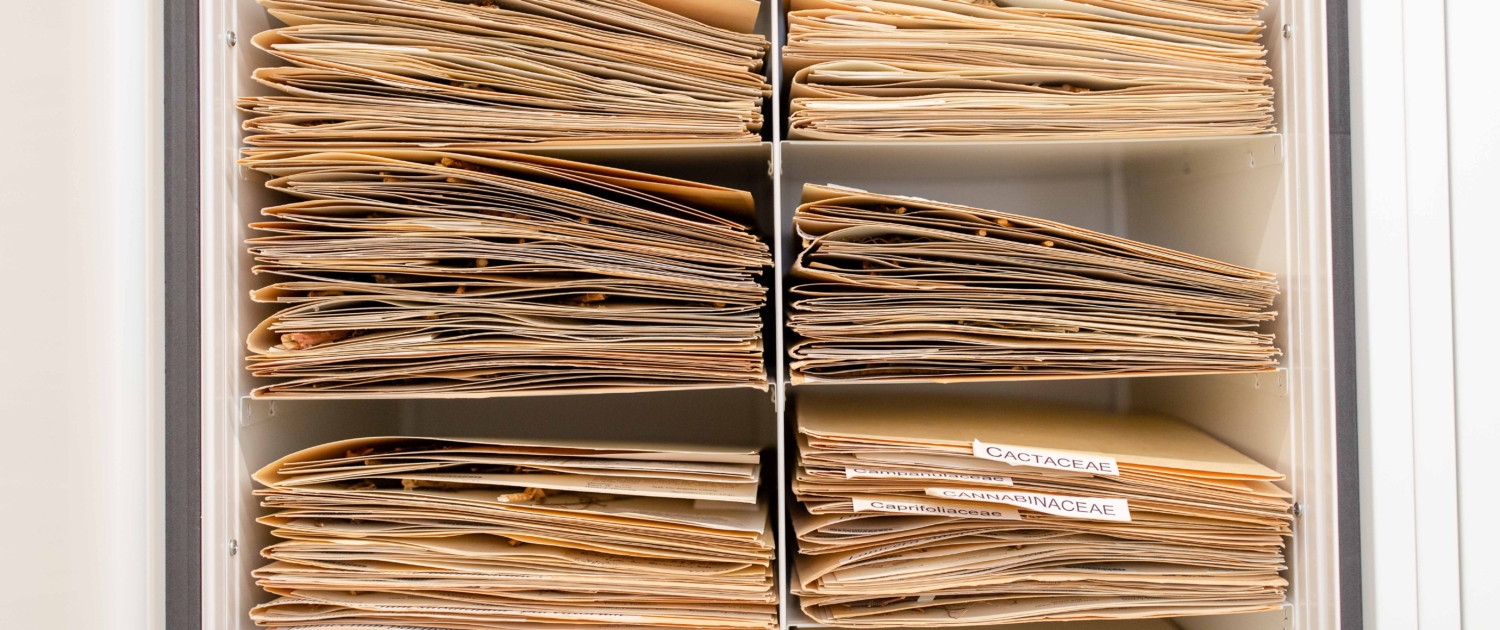
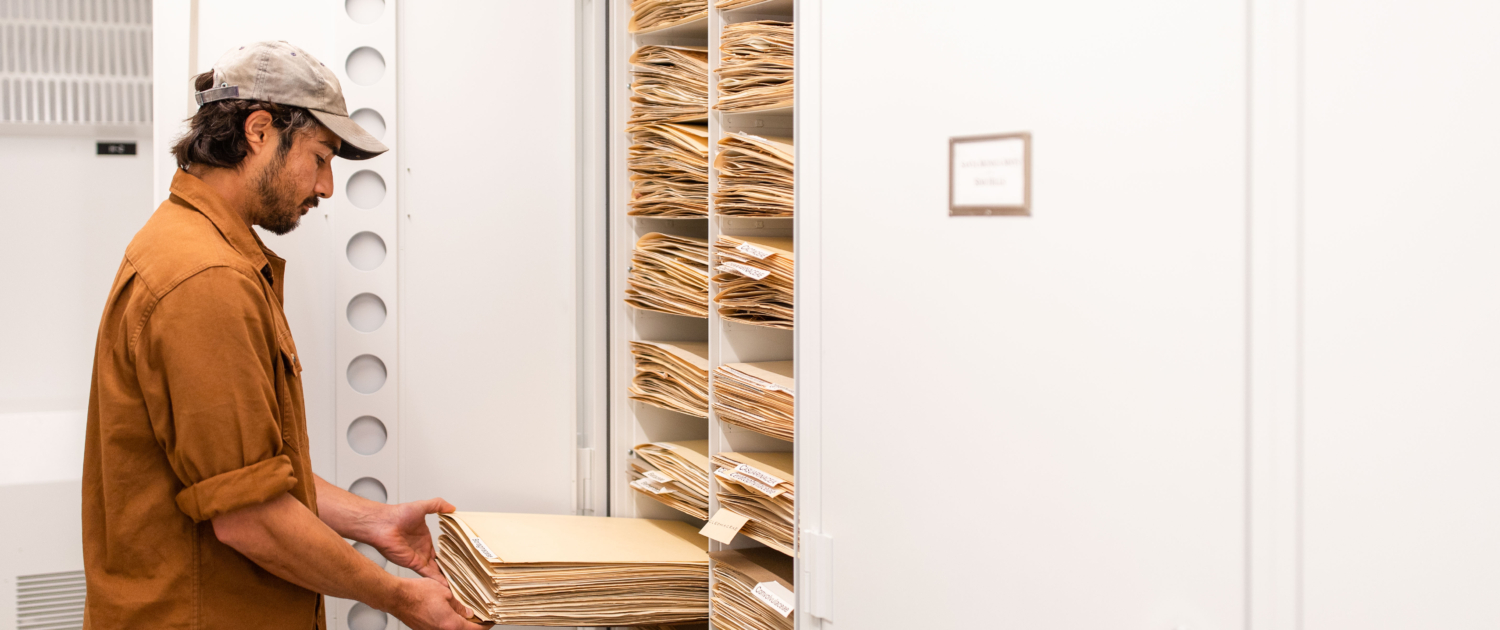
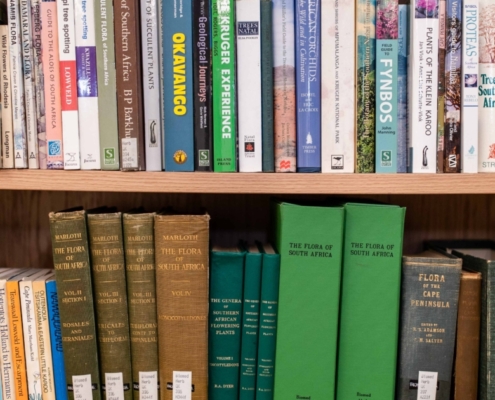
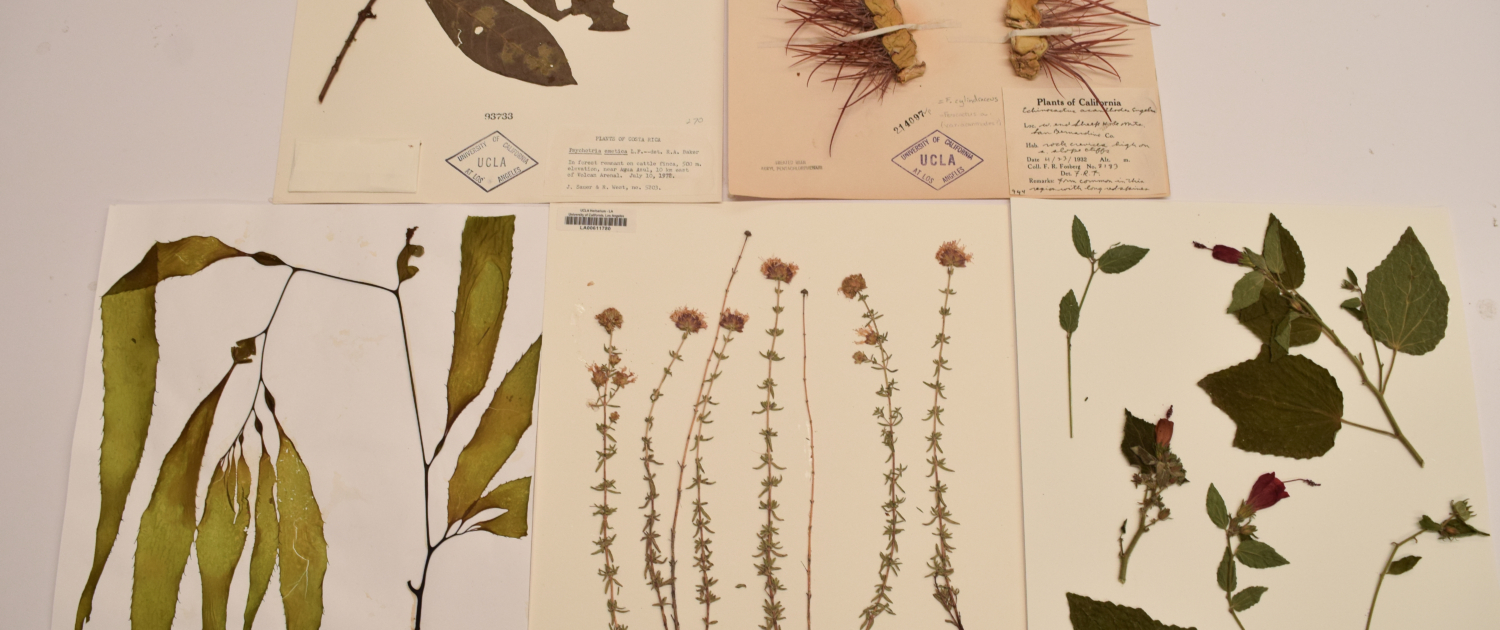
We are the second largest publicly funded herbarium in Southern California with approximately 150,000 dried and pressed plant specimens from all over the world. The Herbarium also maintains a special library of botanically focused books.

OUR MISSION

In association with the UCLA Mathias Botanical Garden, ​​the Herbarium facilitates the study of plant biodiversity and acts as an instrument of higher education for the UCLA Community and Greater Los Angeles Area.

OUR VISION

In association with the UCLA Mathias Botanical Garden, ​​the Herbarium supports the University’s mission of the creation, dissemination, preservation, and application of knowledge by becoming the regional leader in the study of plant biodiversity throughout the Greater Los Angeles Area.

OUR COLLECTIONS

The Herbarium permanently houses approximately 150,000 specimens from all around the world. The Herbarium’s focus is on California and the Western United States, and as well as Mediterranean-climate regions of the world. Strengths include nearly 13,000 specimens of plants and macroalgae from the Santa Monica Mountains and Greater Los Angeles Area, and specimens from ecological and evolutionary studies conducted by UCLA Faculty, Staff, and Graduate Students.

Collections Scope

Although the focus of the Herbarium is primarily the flora of California, the herbarium also contains specimens from all over the world, with approximately 30% of our collections from beyond North America. These represent historic collections (1910-1960) from Central and South America, North Africa, South Africa, Southeast Asia, and Oceania. We also have collections for all the major groups of land plants as well as an active macroalgal and macrofungal collection.

The Herbarium also contains a library of taxonomic reference books, books on botanical history, the relationship between plants and people, and Floras from around the world.

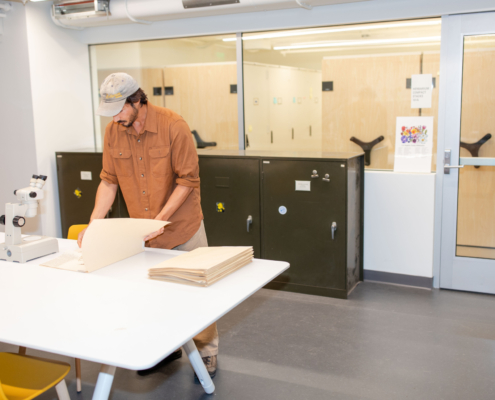
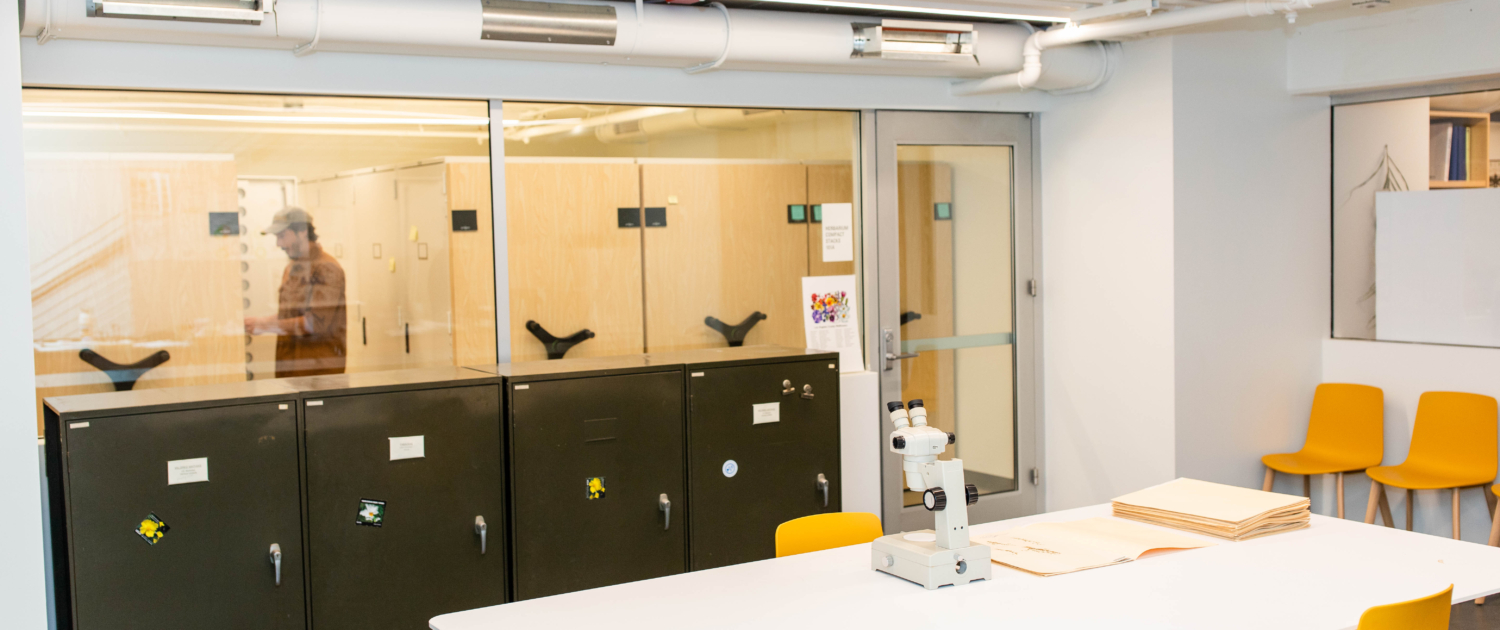
Workstations with boom dissecting scopes, a freezer (for freezing specimens to control insects), and materials for collecting, mounting and repairing plant specimens are also available.

Notable Collections

The Herbarium contains notable personal herbaria donated to UCLA including collections by O.H. Kappler (ca. 2,200 specimens, most of the Santa Monica Mountains), Lawrence L. Kiefer (ca. 3,700 specimens of ferns), Mary V. Hood (ca. 1,600 specimens) and Grace Heintz (cultivated Eucalyptus of California). Some UCLA Faculty and Alumni, including Peter H. Raven, Elmer D. Merrill, A.M. Johnson, Martin A. Cody, Mildred E. Mathias, Jonathan Sauer, Carl Epling, Joseph Andorfer Ewan, and Harlan Lewis, have also donated their collections to UCLA.

HISTORY

The exact year in which the UCLA Herbarium was first established is unclear, but it likely dates back to the period before 1929, when UCLA was still a branch campus of UC Berkeley located on Vermont Avenue in downtown Los Angeles.

The core of the Herbarium was established through the acquisition of preserved collections from the short-lived “California Botanical Garden” (CBG; 1928-1935), a project led by Elmer D. Merrill, the former Dean of Agriculture at UC Berkeley. Before its closure, the CBG had amassed a large herbarium which was transferred to UCLA just as the University began offering classes at its new Westwood campus in 1929.

These collections included specimens from the Bonati and J.J.P. Tapp Herbaria that were purchased by Merrill, as well as Merrill’s own personal collections from his research in the Philippines. Since then, the Herbarium has grown to nearly 150,000 vascular plant specimens and contains the collections of many other famed botanists including Carl Epling, Margaret and Harlan Lewis, Mildred E. Mathias, Peter H. Raven, Henry J. Thompson, Jonathan Sauer, Elizabeth McClintock, Martha Hilend Kinsey, and Kei Nakai.
HOW TO VISIT

At this time, the Herbarium is available by appointment only.

Please email Herbarium Curator Dr. Anthony Baniaga (abaniaga@ucla.edu) to schedule your visit.